
Recovery grows through connection, and family support is the true agent for transformation. When an individual takes the inspiring step toward wellness, the presence of a committed support system drastically expands their potential for lasting success.
In Kingsport, family support significantly improves Suboxone (buprenorphine/naloxone) outcomes by providing emotional motivation, daily accountability, and a stable milieu to prevent relapse. Choosing a dedicated suboxone clinic in Kingsport, TN provides the vital clinical foundation, while the affection of a unified home secures a healthy future.
How Family Involvement Strengthens Recovery
Family involvement serves as a foundation for sustainable sobriety, providing deep emotional stability during challenging moments. When loved ones actively participate, they provide a reliable layer of accountability that helps patients stay committed to their daily medicine schedules. This collective engagement drastically reduces the risk of relapse, creating a protective barrier against external stressors and triggers.
The healing process allows families to rebuild trust that may have been strained in the past. By establishing shared recovery goals, everyone moves forward with a unified purpose. Patients feel validated and understood, which boosts their self-esteem and motivation. This joint dynamic makes certain that the steps of rehabilitation are met with combined strength, opening the path to a healthier, more peaceful household.
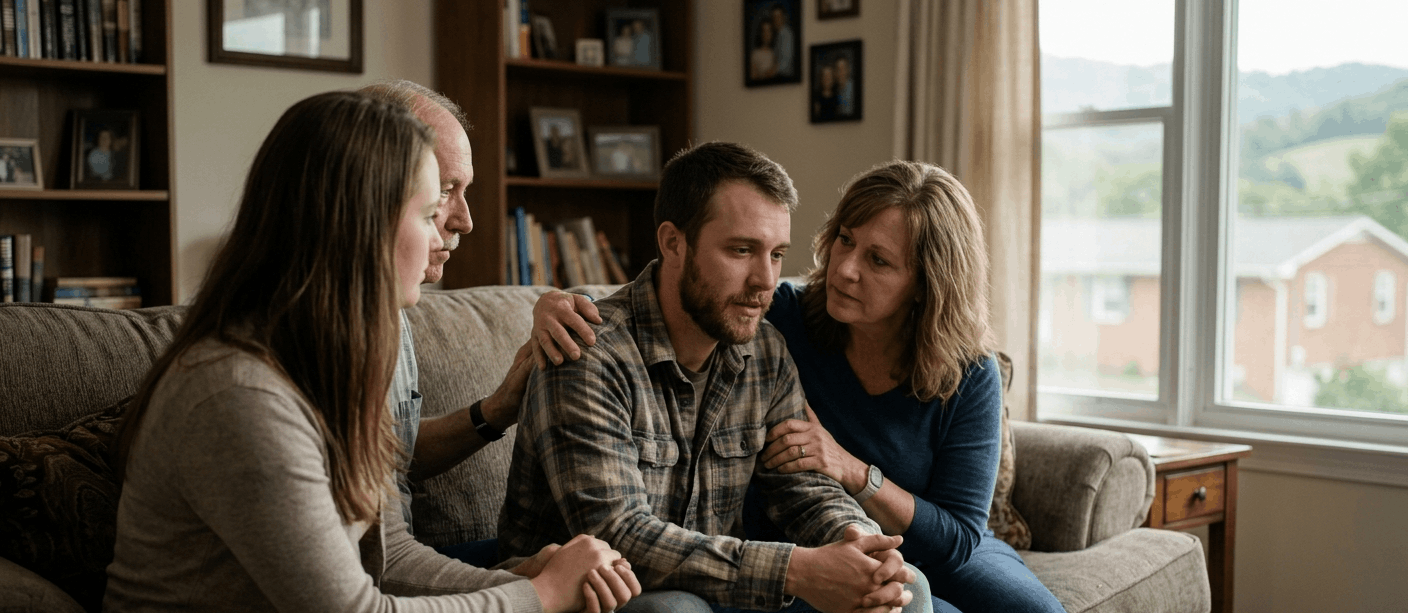
Family Counseling Sessions at Kingsport Clinics
Family counseling sessions present a organized setting in which loved ones learn to manage the difficulties of recovery together. These therapeutic meetings focus on educating relatives about the biological nature of substance use disorders, effectively dismantling old stigmas. This specialized care perfectly complements individual therapy by addressing the interpersonal relations that influence a patient’s daily life.
Spouses, partners, and adult children are invited into the therapeutic space to convey their experiences and heal alongside the patient. Counselors place a heavy emphasis on communication skills training, teaching families how to voice their needs constructively. By replacing conflict with active listening, families learn to cultivate an atmosphere of mutual respect. These sessions equip everyone with the required tools to maintain a peaceful, supportive home environment.
Support Groups: Building Community & Connection
Participating in support groups expands a family’s network, connecting them with others who share similar life experiences. Specialized group therapy sessions held at local clinics provide a safe setting for relatives to exchange ideas and find comfort. Many families benefit from adapted versions of traditional programs, such as Al-Anon or community-based narcotics support networks, which focus specifically on the needs of the support system.
Kingsport features an energetic network of peers dedicated to encouraging one another throughout the recovery process. In addition to face-to-face meetings, modern online family communities offer flexible, around-the-clock encouragement for occupied households. Using these resources reminds families that they are never alone in this process. Building these external connections strengthens the entire family unit, providing novel perspectives and continuous inspiration.
Addressing Relapse Risk Through Family Relationships
Loved ones play a central role in noticing early warning signs that may indicate an elevated risk of relapse. By staying observant, family members can spot subtle changes in behavior, mood, or routines before a crisis occurs. Understanding how to support a relative through intense cravings allows family members to implement positive distraction techniques and calming reassurance.
Effective intervention methods concentrate on proactive planning to ensure the household knows exactly how to respond during stressful moments. Families learn the vital art of supporting their loved one completely without enabling harmful behaviors. This subtle balance entails promoting personal duty while remaining a steady source of love. Through frank dialogue, families create a safe haven where patients are at ease discussing their struggles openly.
Rebuilding Trust During Suboxone Treatment
Recovering trust within relationships is a gradual process that occurs over a deliberate, steady timeline. Consistency remains the most effective tool for repairing bonds, as small daily actions validate the patient’s devotion to change. Setting healthy boundaries allows both the patient and their relatives to feel safe, respected, and valued.
Maintaining complete transparency regarding treatment progress, appointment attendance, and medication adherence builds an environment of openness. Long-term relationship repair necessitates patience, sympathy, and an ongoing commitment to mutual forgiveness. While the weeks turn into months, the anxiety within the home dissolves, replaced by genuine security. Families discover that honesty opens the door to deeper intimacy and a stronger relational foundation than ever before.
Resources for Kingsport Families
Families in the region have access to an array of excellent local support groups designed to provide guidance. Specialized family therapy options remain widely available to help households experience their unique healing journeys together.
Reliable crisis hotlines provide immediate, confidential assistance for family members seeking urgent advice or peace of mind. Using these different resources makes certain that caregivers receive the emotional sustenance they need to remain strong. Accessing this system of care enables local communities to support healthier environments that foster sustainable, sustained wellness.
Conclusion
Advance your wellness journey with a system that embraces the whole family. At Recovery NOW, we treat addiction as a family disease, going past individual care to offer dedicated family counseling and education designed to heal relationships and build a lasting, collective base for long-term recovery.
True healing flourishes when clinical excellence is equal to the gentleness of a dedicated home environment. Invest in a better, more hopeful tomorrow by surrounding your healing process with the love, understanding, and structured professional support your family deserves.
FAQs
How does family counseling benefit the recovery process?
Family counseling fosters deep mutual understanding, enhances communication skills, and resolves historical conflicts, creating a highly helpful environment that encourages long-term patient sobriety.
Can family members attend medical appointments at the clinic?
Loved ones are welcome to participate during educational updates and counseling sessions to keep aligned with the patient’s customized treatment plan.
What should a family do if they notice warning signs of relapse?
Families should immediately promote open communication, utilize established coping methods, and contact their dedicated clinical team for prompt, professional guidance.
How can family members avoid enabling behavior while remaining supportive?
Setting clear, healthy boundaries allows families to uphold the patient’s personal liability while providing ongoing emotional support throughout their journey.