
When someone tries to quit kratom several times, withdrawal often comes back each time they stop. This cycle of stopping and starting again is a sign of dependence, which is a medical issue rather than a matter of willpower. Kratom detox in Dickson, TN works better when the plan is updated after each attempt. This includes a medical assessment, a taper or medication plan, and support for the weeks after the first phase. Each quit attempt helps show what needs to change. The number of tries is different for everyone, and each one gives the clinician helpful information to make a safer plan.
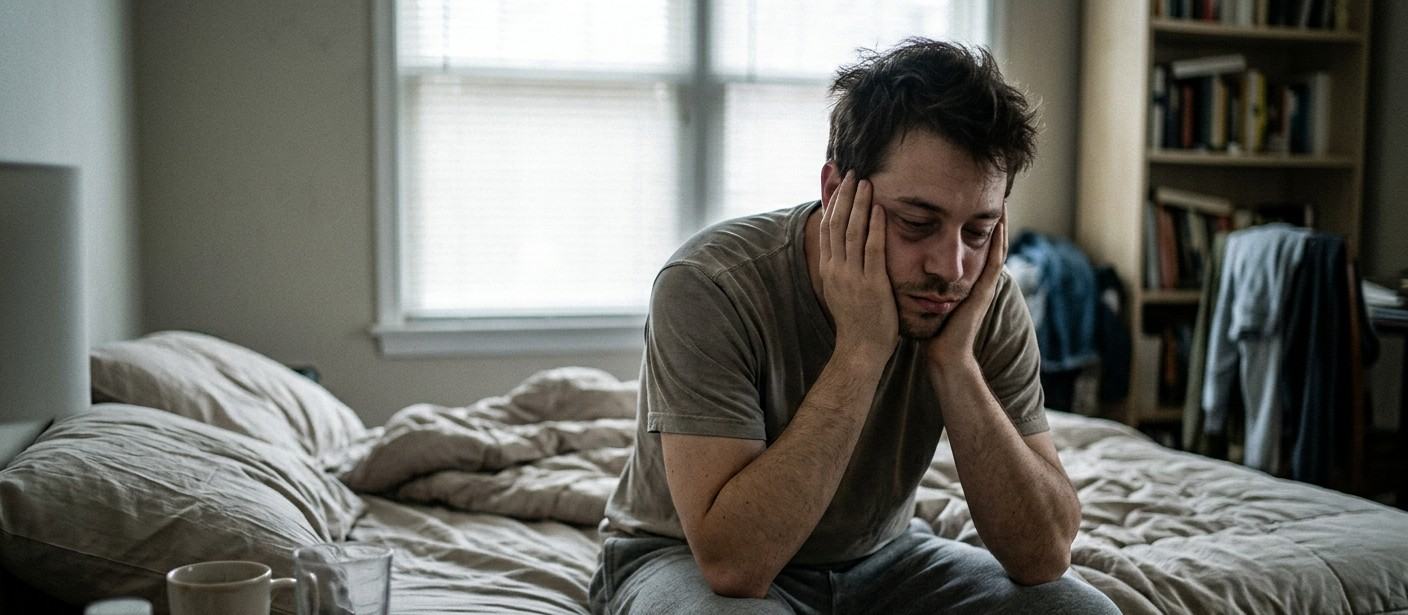
Why Quitting Kratom Often Takes More Than One Try
According to NIDA, the main compounds in kratom affect the brain’s mu-opioid receptors. When someone uses kratom regularly, the body gets used to it. Stopping can then cause physical and emotional discomfort, which kratom seems to help.
Trying and failing to cut down or stop is one of the standard DSM-5 signs of a substance use disorder. Repeated attempts give helpful information and show a medical condition, not a lack of character.
What Happens in the Body Each Time You Stop
Withdrawal usually begins 6 to 48 hours after the last dose and is strongest around days 2 to 4, though this can vary. The process often follows four steps:
- Stop: Use ends, often suddenly.
- Withdrawal: Aches, sweating, poor sleep, and anxiety build.
- Relief by using again: Another dose brings quick relief.
- Restart: Tolerance rebuilds, sometimes with a switch from leaf to extracts or 7-OH.
There is not much research on whether withdrawal gets worse with each attempt. Severity depends more on the dose, the type of product, and how long it has been since the last dose.
Common Reasons Quit Attempts Stall
Most stalled attempts share a few patterns:
- Stopping suddenly before a plan for the hard days is in place.
- Using again to ease withdrawal symptoms
- Pain, anxiety, depression, or sleep problems that kratom was covering
- Moving from leaf to concentrated products or 7-OH
- Supply loss from the Tennessee ban, then a switch to unregulated substitutes
- Too little support or follow-up after the first week
- Missing plans for weeks 2 to 4, when low mood and cravings can persist
Each of these issues is something a new plan can address.
What a Different Approach Looks Like After a Past Attempt
A new quit attempt is more likely to succeed if you change both the plan and the start date.
Review What Happened Last Time
A clinician will ask about the product and dose you used, how quickly you stopped, when your symptoms were worst, and what made you use again. These answers help shape the next plan.
Choose Between Tapering, Cold Turkey and Medication
Tapering means lowering the dose step by step, which can make withdrawal easier, but changing product strength can make it harder. Quitting cold turkey is faster but tougher on the body. Some clinicians use buprenorphine off-label after withdrawal becomes moderate, mostly based on case reports reviewed by the University of Illinois Chicago Drug Information Group.
Treat What Kratom Was Covering
People often use kratom to manage pain, anxiety, depression, or sleep problems. Getting counseling, learning coping skills, and getting medical care for these issues can help reduce the urge to start using again.
Plan for Weeks 2 to 4 and Beyond
Follow-up visits, a plan to prevent relapse, and support groups can help you get through the first phase. Decide in advance who you will call when you feel a strong craving.
Signs It Is Time to Get Medical Help After Repeated Attempts
Medical help is the next step if any of these apply:
- Withdrawal has stopped more than one quit attempt.
- Use has moved to extracts, 7-OH, or several doses a day.
- You also use alcohol, benzodiazepines, or other opioids.
- Mood, anxiety, or sleep problems are getting worse.
- Use is affecting work, driving, school, or family.
- You have a seizure, chest pain, severe vomiting, or thoughts of self-harm (go to an ER or call or text 988).
Getting help early can make your next quit attempt safer.
Quit Attempts in Dickson, TN After the State Ban
Kratom has been banned in Tennessee since July 1, 2026, under HB 1649 (Matthew Davenport’s Law), with possession a Class A misdemeanor, according to the Metro Nashville Beer Permit Board. For legal questions, speak with a lawyer. For people in Dickson, Burns, White Bluff and Charlotte, the ban changes quit attempts:
- Many stops are now forced by supply loss, which makes them sudden and harder.
- Tennessee treatment centers report a surge in kratom withdrawal patients, as NewsChannel 5 reported, which shows why aftercare matters.
- The TBI warns that some “Cat’s Claw” products may contain MGM-15, a kratom-derived compound, according to WSMV.
- Kratom detox in Dickson, TN offers a planned path in place of a forced stop.
- For emergencies, call 911 or visit the 24-hour ER at TriStar Horizon Medical Center, 111 Highway 70 E, and call Tennessee REDLINE at 1-800-889-9789 for referrals.
Recovery NOW runs a CARF-accredited clinic at 210 Skyline Drive in Dickson, where board-certified addiction specialists review your full history, including past attempts, before building a plan. Counseling continues through telehealth after withdrawal, and IOP is available at its Nashville, Hermitage, and Clarksville sites.
Conclusion
Trying to quit more than once is part of dependence, and each attempt can help you build a better plan. Recovery NOW offers same-day appointments, telehealth visits, and accepts TennCare, Medicare, and most major insurers. Call (615) 416-8010 to get support for your next quit attempt.
Frequently Asked Questions
How many times does it take to quit kratom?
The number of attempts is different for everyone. Many people need more than one try, and each attempt can be more successful with a better plan.
Does kratom withdrawal get worse each time you quit?
There is not much research on this. How bad withdrawal gets mostly depends on the dose, the type of product, and how long it has been since the last dose.
Is it normal to relapse on kratom?
Yes. Relapse is common with any substance that causes dependence, and it means the plan may need to change.
Can I try tapering again after failing?
Often, yes. Using a written schedule and having a clinician check in can help. Slowing down the taper gives your body more time to adjust.
Can Suboxone help if I keep relapsing on kratom?
Some clinicians use buprenorphine to treat kratom or 7-OH dependence, starting after moderate withdrawal begins. This is an off-label use and requires a prescriber.