
Recovery NOW is a leading suboxone clinic in Lebanon, Tennessee. We provide medication assisted treatment (MAT) and focus on managing withdrawal symptoms. Our medical team helps you with opioid use disorder dependency. You can move toward stable recovery with us. We provide care in a private space under medical supervision. If you are facing opioid addiction in Lebanon, Tennessee, call us to start your recovery journey.
Recovery Now Medication Assisted Treatment Support in Lebanon
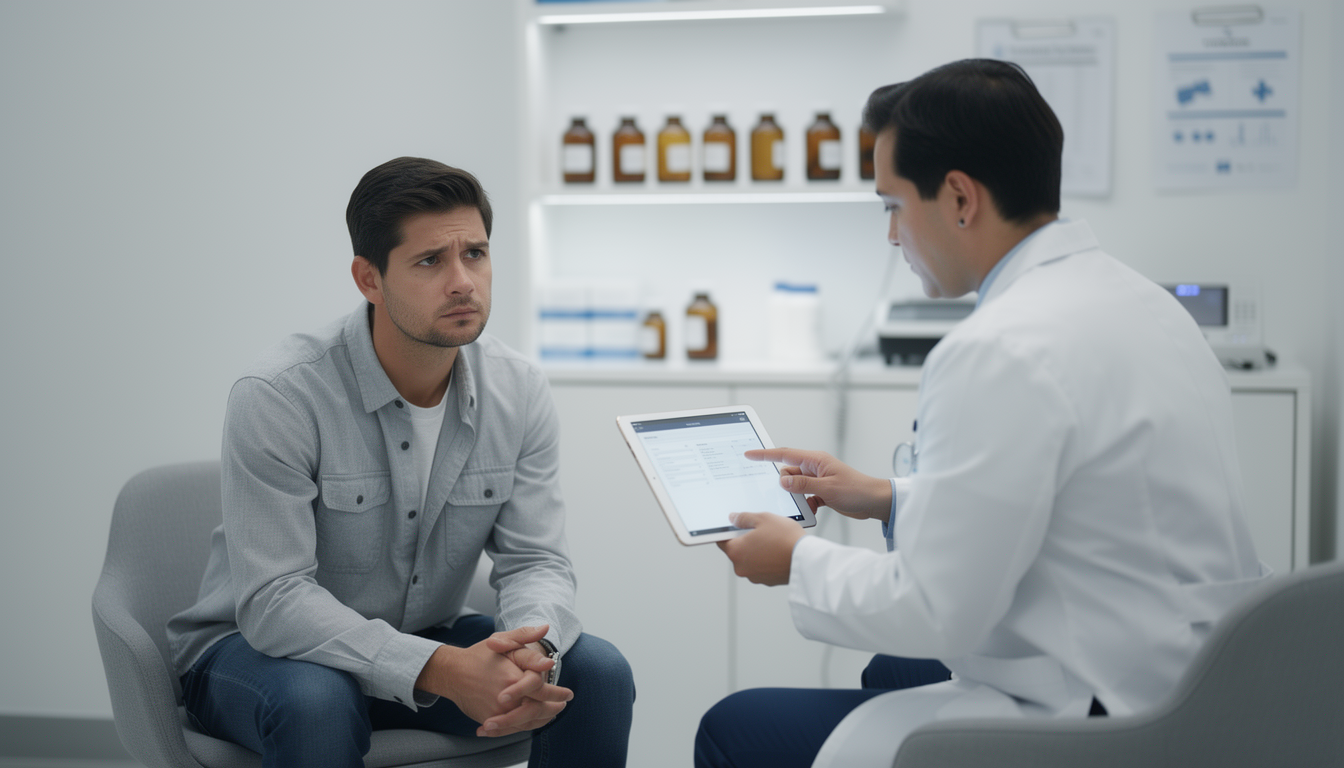
Opioid and opiate addiction are persistent issues. These drugs are some of the most abused substances. They are often prescribed and easy to access, which can lead to addiction and substance abuse.
According to the Centers for Disease Control and Prevention, drug overdoses in 2020 led to about 92,000 deaths. Drug overdoses are a leading cause of injury related deaths in the United States. The widespread opioid misuse issue affects millions, but there is help.
At Recovery NOW, our MAT helps reduce opioid use symptoms. It can make it easier to quit. Suboxone can ease withdrawal symptoms and lower cravings, so your body can stabilize. With better control of symptoms, you can focus on counseling, healthy routines, and long term recovery. Our team tracks progress and adjusts the care plan to support stability.
Suboxone Clinic for MAT Treatment Near Me
Our suboxone clinic in Lebanon, helps residents manage opioid withdrawal and cravings. If you want help with opioid use, come to our clinic for MAT treatment. We use suboxone medicine to reduce the urges. You meet our team and then we plan the entire treatment.
Reach us at:
Address: 701 Park Avenue, Lebanon, TN 37087
Phone No. : (615) 416-8010
Our MAT Treatment For Opioid Use Disorder
Opioid pain medicines can lead to dependence in Lebanon, TN. They change how the brain reads pain and reward. When use stops, withdrawal can start and feel intense. Recovery NOW offers MAT with suboxone to reduce cravings and withdrawal symptoms. We also provide medical support that protects your health.
- Opioids can cause dependence after repeated use
- Stopping can lead to nausea, vomiting, and stomach pain
- Withdrawal can also include slow heart rate and shallow breathing
- Suboxone MAT can reduce cravings and withdrawal symptoms
- Medical care supports safer dose changes and follow up visits
What Is Suboxone Treatment?
Suboxone treatment uses a prescription medicine to support recovery from opioid use disorder. The medication combines buprenorphine and naloxone. Buprenorphine reduces withdrawal symptoms and cravings. Naloxone lowers misuse risk. Treatment can support brain and body stability while a person stops opioid use.
Care includes medical checkups, dose adjustments, and progress checks. Many people also take part in counseling to build coping skills and reduce relapse risk. Treatment length depends on health history, opioid use level, and recovery goals. The plan can change over time based on symptoms, safety, and results.
When You Need MAT?
MAT can help you regain stability when opioid use starts to control your mind. Many people seek treatment after severe withdrawal symptoms. Repeated relapse, or fear of getting sick requires medication assisted treatment. It can reduce cravings and help you focus on recovery. A medical team reviews your health and creates a plan.
- Withdrawal starts within hours after quitting
- You use opioids to avoid feeling sick
- Cravings interrupt work or sleep
- Tried to quit and returned to use
- Need opioids to feel normal
- Anxiety or agitation after stopping
- You worry about overdose risk
- Use pills that may contain fentanyl
- Family or friends notice risky changes
Possible Effects of Opioid Use Disorder
Opioid use disorder can affect the body and the mind. Some effects show up soon after use. Other effects may appear over time. These changes can affect safety, sleep, digestion, mood, and focus. The longer you use opioids, the higher the risk of dependence and overdose can increase.
Opioid use can create difficulty in breathing. The body may not take in enough oxygen to breathe. It lowers oxygen levels in the body. A person may feel dizzy or faint. In severe cases, breathing can stop. It creates a serious life threatening overdose risk.
Opioid use can disrupt your sleep patterns. You may wake up often and cannot fall back asleep. Some people sleep for long hours but wake up with low energy. Poor sleep can raise stress levels and trigger cravings. It can also make pain feel worse and cause more irritability during the day.
Digestion can slow down with opioid use. Constipation is the most common issue that can last for days. You may also experience bloating and stomach cramps.
It can also cause nausea during intake and after you quit. Opioid use can also reduce appetite. You may not feel like eating or drinking anything. It leads to low energy and dehydration.
Mood can shift with opioid use. It increases irritability without any reason. You may get anxious after reducing the dose of opioid. Some people also feel numb and detached to others. These changes can cause conflict at home and make work harder to manage.
Opioid use can make it hard to concentrate. Tasks can take longer because attention keeps breaking. Reaction time can slow, so mistakes happen more often. Memory can feel weak, so steps get missed. Driving or power tools can turn unsafe when focus and timing drop.
After repeated opioid use, the same dose may stop working as well. It can lead to taking more to get the same effect. Higher doses raise overdose risk. The body also becomes more dependent, so quitting can show severe withdrawal symptoms.
Dependence can form after repeated opioid use. The body expects the drug to function. When use stops, withdrawal symptoms can start showing up. Common symptoms include sweating, body aches, nausea, diarrhea, and restlessness. These symptoms indicate opioid dependency.

Recovery NOW MAT Treatment Approach
At Recovery NOW suboxone clinic in Lebanon, we prioritize an individualized approach in addiction treatment, focusing on the whole patient. Our MAT program includes medication, behavioral therapies, and counseling. All adapted to the individual patient’s needs and recovery goals.
Start with a medical visit
Use medication as part of care
Add counseling and behavior support
Counseling targets patterns linked to opioid use. We work on coping skills and relapse risk. You also get support for stress, sleep, and daily routine gaps.
Check progress at follow ups
Review cravings, withdrawal symptoms, and daily function during follow up sessions. We review medication use and any side effects. Our team updates care steps based on what you report.
Build relapse prevention steps
We help you name triggers and high risk moments. The medical care team creates a plan for cravings, stress, and urges to control. If a return to opioid use happens, we help you re enter care without delay.
Support long term recovery work
Recovery takes time. We keep care consistent through regular visits and counseling. It helps you recover while managing daily tasks as well.
Medications We Use in Our MAT Program
It’s essential to consult with a board-certified opioid addiction specialist for appropriate MAT. Recovery NOW begins treatment with a comprehensive assessment. We review physical health, mental health, and substance use history. Our team also checks on current medications and overdose risk. Then we choose the MAT medication that fits the clinical need.
Suboxone
Suboxone contains buprenorphine and naloxone. Buprenorphine reduces withdrawal symptoms and cravings.
Naloxone helps reduce misuse risk. Many people take Suboxone as a film or tablet that dissolves under the tongue. We check symptom control and side effects at follow up visits and adjust dose when needed.
Vivitrol
Vivitrol contains naltrexone. It blocks opioid effects, so opioids do not create the same high. Many people use it to support relapse prevention after stopping. Vivitrol comes as a shot, and some naltrexone plans use pills. We review timing and opioid free days before starting.
Sublocade
Sublocade contains buprenorphine in a long acting form. We may give it as a monthly shot. It helps reduce cravings and withdrawal symptoms between visits. Many people choose it when daily dosing feels hard to manage. We monitor response each month and plan follow up care with counseling support.
Benefits of MAT Treatment
At Recovery NOW Lebanon, we use MAT to support opioid recovery. Medication can reduce withdrawal symptoms and cravings. That support can lower return to use. It can also help daily life, work, and family duties while care continues.
These are some of the specific benefits of MAT:

- Supports long term treatment retention
- Eases withdrawal symptoms during early recovery
- Helps the body adjust while opioid use stops
- Lowers overdose death risk
- Supports better treatment retention
- Reduces illicit opioid use
- Support ability to focus and complete tasks at work
- Improves birth outcomes during pregnancy with substance use disorder
- Lowers health harms tied to opioid use disorder
MAT Telehealth Service at Recovery Now
If you’re in Lebanon but not close to our Suboxone clinic, you can access our MAT services through telehealth. Our virtual MAT program provides the same comprehensive care as in-person treatments. It includes personalized plans to support long-term recovery.
A Lebanon telehealth physician will create a MAT treatment plan based on individual needs. You can pick the prescription from a local pharmacy. Telehealth visits can also include counseling and behavioral therapy support.


How to Start Suboxone Treatment in Lebanon
Starting MAT in Lebanon begins with one call and a scheduled intake visit. The first visit covers health history, opioid use history, and current symptoms. A medical supervisor reviews safety risks and current medications. After the assessment, treatment starts with a written plan. Follow up visits support progress and safe medication changes.
Steps to start suboxone treatment at Recovery Now:
Call our clinic
Call at our Suboxone clinic in Lebanon, Tennessee to request an appointment. Our staff will share basic visit details and what to bring. The call also confirms contact information and preferred visit times.
Schedule intake
We schedule an intake visit at our clinic. If telehealth fits the visit type, we can schedule a virtual intake. The appointment time confirms when the first check in will happen.
Complete assessment
A medical team reviews physical health, mental health, and substance use history. We also check current symptoms and safety risks. The visit helps decide the right medication approach and counseling support.
Begin treatment plan
Treatment begins with MAT medication as required. Instructions cover dose, timing, and what to do if symptoms change. The plan can also include counseling sessions and recovery goals.
Follow up care plan
Follow up visits, review cravings, withdrawal symptoms, and daily function. We also review medication response and side effects.
Behavioral Health Support Alongside MAT at Our Clinic
At Recovery NOW, MAT care includes behavioral health support. We pair medication with counseling and therapy so recovery work continues between visits. Sessions focus on habits, stress, and choices linked to opioid use. It works with the medical plan, not separate from it.
Our Suboxone clinic offers a higher level of outpatient care when needed, such as IOP and PHP, and outpatient. These services support mental health that can affect recovery, such as mood symptoms and sleep problems. We coordinate medical care and counseling under one plan.
Recovery NOW Is In-Network with All Major Insurers






Why Choose Recovery NOW For MAT Treatment in Lebanon
People choose our MAT treatment in Lebanon to stop opioid use and manage withdrawal symptoms. We support recovery with medical care, follow ups, and counseling support. Our team keeps care private and respectful. We focus on safe dosing, progress checks, and aftercare plans.
Choose us because we provide:
- Private care
- Medical support
- Follow up visits
- Counseling support
- Telehealth access

Other Areas We Serve
Recovery NOW serves patients across Tennessee through multiple clinic locations. Outside Lebanon, care is available in Nashville, East Nashville, Ashland City, and Clarksville. Each location offers MAT services with the same care and planning. Call us at
(615) 416-8010 to reach the team
Patient Stories
Frequently Asked Questions
Yes. Bring current medication details, recent visit notes if available, and pharmacy info. Our team reviews the record and plans next steps for safe continuation of care.
Call the clinic as soon as possible. Staff can help reschedule and share next steps based on the care plan and medication timing.
Many MAT programs use testing as part of safety checks and progress tracking. Staff explain what the clinic uses and when it applies during intake.
Time can vary based on health history and current symptoms. Intake visits often take longer than follow up visits because the provider collects more details and writes the first care plan.
Yes. Many people report anxiety, low mood, or sleep issues during recovery. The care team can review symptoms and connect support within the treatment plan.
Yes, if the patient wants that support. Staff can share general process details and help plan support steps, while protecting private health information.
Latest Blogs

7 Warning Signs You Need Medical Drug Detox Instead of Detox At Home