
Kratom withdrawal can bring on both physical and emotional symptoms, making detox tough without the right help. With medical monitoring, you get ongoing care to manage symptoms, handle health issues, and stay safe during recovery. If you’re looking for kratom detox in Murfreesboro, having medical professionals by your side can make the process safer, more comfortable, and easier to manage.
What Is Medical Monitoring During Kratom Detox?
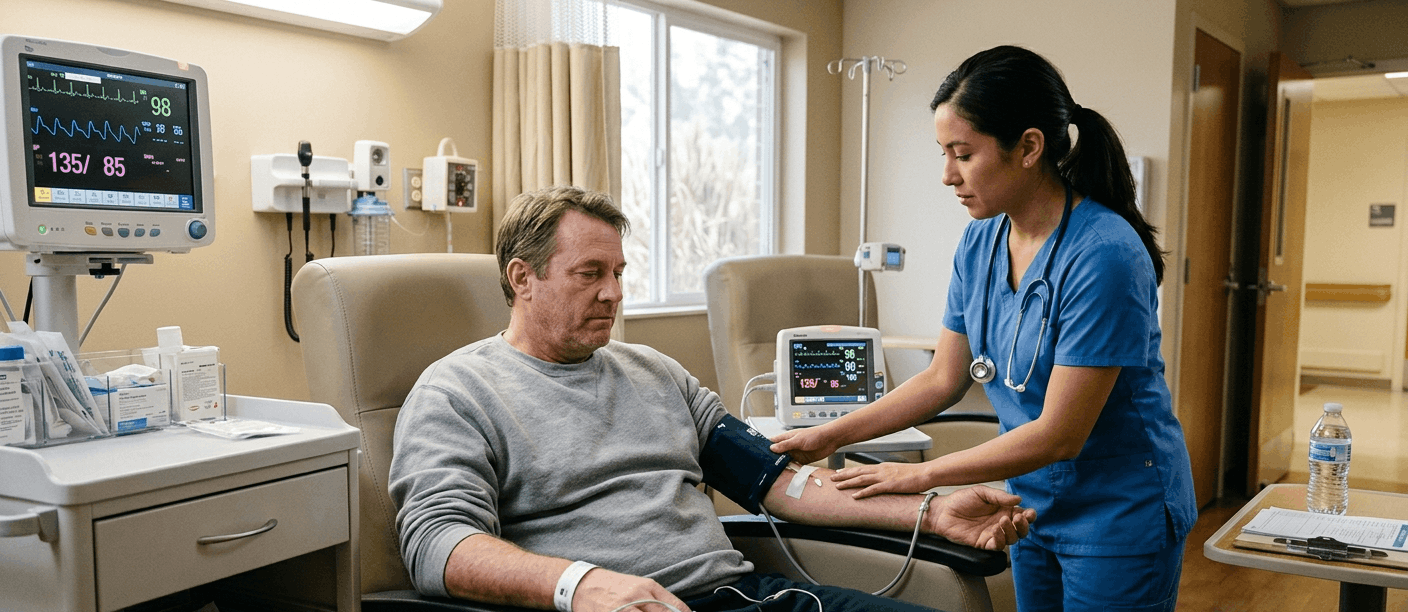
During kratom detox, medical monitoring means licensed clinicians watch over you and treat withdrawal symptoms in a safe setting. This includes round-the-clock observation, checking vital signs, managing medications, making sure you stay hydrated and nourished, and offering emotional support. Unlike detoxing at home, you get immediate medical help if needed. Medical monitoring not only makes you more comfortable but also helps prevent complications and lowers the risk of relapse during the hardest part of withdrawal.
The Risks of Attempting Kratom Detox Without Medical Support
Kratom withdrawal symptoms usually hit hardest in the first one to three days, which is often the toughest part of detox. Medical support can help you handle discomfort and cravings so you can stay focused on getting better.
Vomiting and diarrhea during withdrawal can cause dehydration and electrolyte problems that might need medical care. Many people also feel anxious, depressed, or have strong cravings, so emotional support is very important.
Having professional guidance helps you learn healthy ways to cope during withdrawal and recovery. Some people also go through Post-Acute Withdrawal Symptoms (PAWS), like mood swings and cravings, so ongoing support is key for long-term recovery.
Key Benefits of Medical Monitoring During Kratom Detox
Medical monitoring helps you manage withdrawal symptoms and makes recovery safer and more comfortable. Here are some of the main benefits:
- Immediate Symptom Management: Healthcare professionals provide medications and supportive care for nausea, pain, anxiety, and other withdrawal symptoms as they arise.
- Vital Sign Monitoring: Regular checks of blood pressure, heart rate, temperature, and hydration help identify changes early and allow timely medical intervention.
- Medication-Assisted Comfort: Depending on individual needs, clinicians may prescribe clonidine, gabapentin, anti-emetics or buprenorphine/naloxone in selected severe cases to ease withdrawal symptoms.
- Hydration and Nutrition Support: Medical teams provide hydration, IV fluids when needed, and nutritional support during the acute withdrawal phase.
- Faster Recovery: When symptoms are managed well, you can start feeling stronger sooner and begin counseling and planning your recovery earlier.
At Recovery NOW, we believe medical monitoring gives patients the care and support they need to begin recovery. These benefits make detox safer and help you get ready for ongoing treatment and long-term recovery.
What to Expect During Medically Supervised Kratom Detox
Medical detox goes through several closely monitored stages to help you withdraw safely and get ready for ongoing recovery. While each plan is tailored to your needs, the process usually includes these phases:
- Phase 1: Intake and Assessment (Day 1): Clinicians review medical history, kratom use patterns, and any co-occurring medical or mental health conditions. A personalized detox plan is created, and medical monitoring begins immediately.
- Phase 2: Active Withdrawal Management (Days 1 to 5): Healthcare professionals monitor vital signs, administer medications as needed, and provide continuous emotional support during the peak withdrawal period.
- Phase 3: Stabilization and Transition Planning (Days 5 to 10+): As physical symptoms improve, the focus shifts to a mental health assessment, aftercare planning, and step-down services such as intensive outpatient programs (IOPs) or outpatient treatment.
Each phase helps you move safely from detox to ongoing recovery and continued care.
Medications Commonly Used During Kratom Detox
Healthcare providers choose medications based on your symptoms and medical history. Common options include:
- Clonidine: Helps reduce anxiety, agitation, and elevated blood pressure during withdrawal.
- Gabapentin: Helps manage pain, sleep disruption, and nerve-related discomfort.
- Anti-Emetics: Medications such as ondansetron help control nausea and vomiting while supporting hydration.
- Sleep Aids: Short-term medications may improve sleep during the acute withdrawal phase.
- Buprenorphine/Naloxone: May be used in selected severe cases to help stabilize withdrawal symptoms and reduce cravings.
Licensed healthcare professionals select and monitor all medications based on your specific needs.
Medical Monitoring vs Quitting Cold Turkey: Key Differences
The approach you choose can affect your comfort, safety, and recovery results.
| Aspect | Quitting Cold Turkey | Medical Monitoring |
| Withdrawal Severity | Full withdrawal symptoms | Symptoms managed with medical care |
| Relapse Risk | Higher during peak symptoms | Reduced through continuous support |
| Safety | Health changes may go unnoticed | Immediate clinical response when needed |
| Comfort Level | Symptoms managed independently | Comfort-focused care throughout detox |
| Psychological Support | Self-guided | Integrated mental health support |
| Aftercare Access | Self-arranged | Planned transition into ongoing care |
After Medical Detox: Continuing Kratom Recovery in Murfreesboro
Medical detox is the first step in recovery and helps with physical dependence. Ongoing treatment then focuses on your long-term behavioral and emotional health. At Recovery NOW, we start planning your aftercare during detox so you’re ready for the next stage.
Recovery options can include intensive outpatient programs (IOPs), outpatient therapy, peer support groups, telehealth counseling, Cognitive Behavioral Therapy (CBT), Dialectical Behavior Therapy (DBT), and dual diagnosis care if needed. If you’re seeking kratom detox in Murfreesboro, you’ll usually start with a clinical assessment to find the best level of care for you.
Conclusion
Medical monitoring makes kratom detox safer, more comfortable, and better supported from start to finish. With clinical supervision, symptom management, the right medications, and emotional care, you can focus on recovery with confidence. Detox is just the first step, ongoing therapy and aftercare help you make lasting progress. Starting treatment with medical guidance gives you a strong foundation for long-term recovery.
FAQs
Is Medically Supervised Kratom Detox Covered by Insurance?
Most major insurance plans cover medically supervised detox. Verify your coverage and benefits directly with your insurance provider.
How Long Does Medical Kratom Detox Typically Take?
Medical kratom detox usually lasts 5 to 10 days. Heavy or long-term users may benefit from additional monitoring before ongoing treatment.
Do I Need an Inpatient or Outpatient Medical Detox for Kratom?
Inpatient detox is often recommended for heavy or long-term kratom use or co-occurring conditions, while moderate cases may be appropriate for outpatient medical monitoring.