
Suboxone treatment can help people recover after repeated opioid relapses by reducing cravings and withdrawal symptoms. It also blocks other opioids from working fully and provides a stable foundation for counseling and daily routines. Suboxone treatment in Dickson, TN, a relapse as a signal to adjust the plan, whether that means the dose, support, medication type, or level of care, while continuing treatment. Each adjustment uses lessons from previous attempts. Success depends on the entire plan, and counseling and regular follow-up make the medicine more effective.
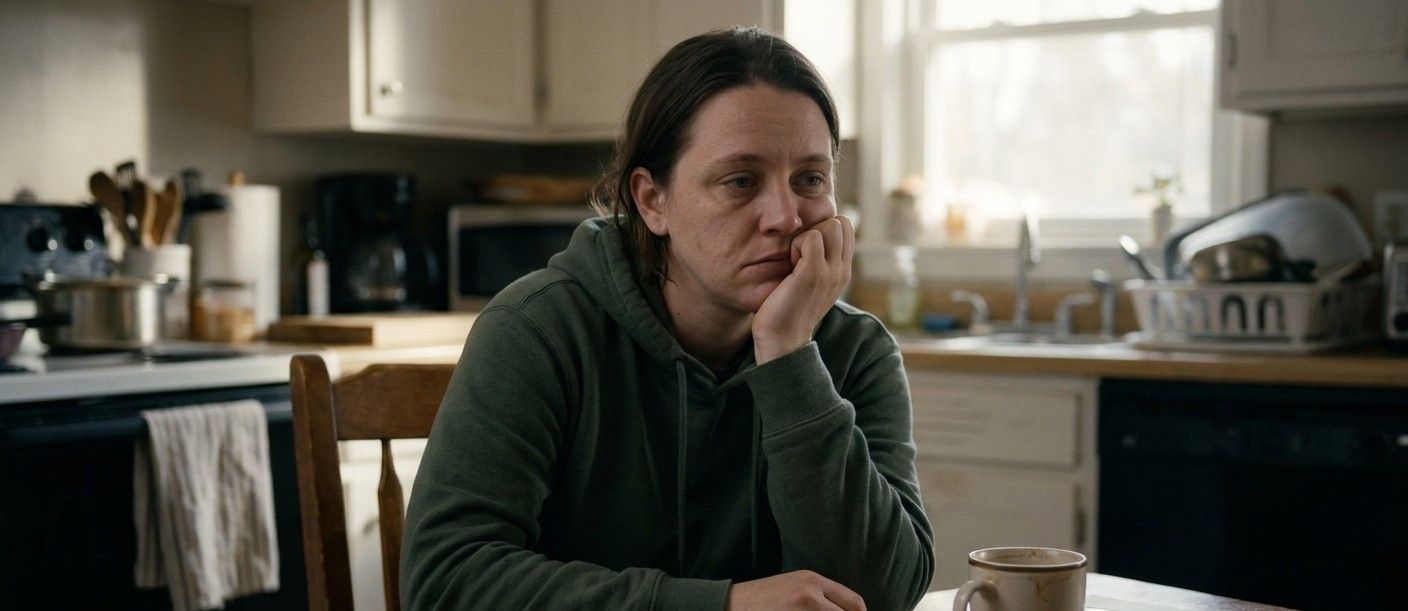
Repeated Relapse Is Part of a Chronic Condition
Opioid use disorder is a chronic condition. According to NIDA, 40% to 60% of people treated for substance use relapse, a rate similar to other chronic illnesses such as high blood pressure and asthma.
A relapse can reveal gaps in the plan, like needing a different dose, more support, better sleep, pain management, or stable housing. It is a sign of a health condition, not a personal failure. Recovery relies on a complete plan, not just willpower.
How Suboxone Lowers the Risk of Relapse
Suboxone combines buprenorphine and naloxone. SAMHSA TIP 63 describes four ways it works:
- Buprenorphine partly activates opioid receptors, easing withdrawal and cravings while producing only mild opioid effects.
- A ceiling effect means the effect levels off once a certain dose is reached.
- It binds tightly, which blocks other opioids from acting fully.
- Naloxone is added to discourage misuse of the film or tablet.
These effects help people focus on understanding and addressing the reasons for past relapses.
Why Treatment Can Work Better After Earlier Attempts
Earlier attempts may have missed important parts that ongoing Suboxone care can provide:
| Earlier Attempt | What It May Have Lacked | What Suboxone Treatment Adds |
| Detox only, then discharge | Craving relief; lost tolerance raised overdose risk | Steady medicine and follow-up |
| Stopping on your own | Support and a craving plan | A prescriber, dose changes and counseling |
| A short course of medicine | Enough time for the brain to stabilize | Length matched to need |
The risk of overdose increases when tolerance drops after detox or a break from use. This is why staying on medication and returning to care quickly is so important.
What Changes in the Plan After a Relapse
After a relapse, the treatment plan is usually reviewed in four main areas.
Review the Dose and the Medicine
If cravings continue, the dose might be too low. Some people benefit from a monthly extended-release buprenorphine injection (Sublocade) or naltrexone (Vivitrol), which removes the need to decide on a daily dose.
Add Visits, Counseling and Support
More frequent visits, therapy, peer support, and help with housing or work can address the gaps that contributed to relapse.
Use Drug Screens to Guide Care
Many prescribers use urine screens to begin open conversations and adjust treatment as needed. Since practices differ, ask your clinic how they use these tests.
Match the Level of Care to the Risk
If outpatient care is not enough, your prescriber will let you know and refer you for more support. Repeated overdoses or an unsafe home may mean you need intensive outpatient or residential care.
Fentanyl, Naloxone and Using While on Suboxone
Fentanyl remains in the body longer, which can make starting Suboxone more difficult. Some clinicians use low-dose starts for this reason. If you use opioids while on Suboxone, remember these steps:
- Because Suboxone reduces the high, some people may be tempted to take more, which increases the risk of overdose.
- Continue taking Suboxone and contact your prescriber.
- Carry naloxone, show your family how to use it, and try to have someone with you.
- The main goal is to return to care as quickly as possible.
Help After Repeated Relapses in Dickson, TN
People living in Dickson, Burns, White Bluff, and Charlotte can restart care quickly and close to home:
- Suboxone treatment in Dickson, TN is available in person and through MAT telehealth, with prescriptions filled at a local pharmacy.
- A federal DEA rule allows prescribers to start buprenorphine treatment by telemedicine, including audio-only visits, for up to six months before you need an in-person or video visit.
- Naloxone nasal spray is sold over the counter at pharmacies.
- For an overdose, call 911 or go to the 24-hour ER at TriStar Horizon Medical Center, 111 Highway 70 E.
- Tennessee REDLINE (1-800-889-9789) offers confidential treatment referrals.
Recovery NOW operates a CARF-accredited clinic at 210 Skyline Drive in Dickson. Board-certified addiction specialists there offer Suboxone film or tablets, Sublocade, and Vivitrol, often with same-day appointments.
Conclusion
If you have had repeated relapses, it is a sign to strengthen your plan and continue Suboxone care. Recovery NOW accepts TennCare, Medicare, and most major insurers, and combines medication with counseling for patients in the Dickson area. Call (615) 416-8010 to restart care today.
Frequently Asked Questions
Will my doctor stop my Suboxone if I relapse?
Many prescribers continue treatment after a relapse and instead adjust the dose, number of visits, or support. Since practices can differ, ask your clinic early about their approach.
How many times can you relapse on Suboxone?
There is no set number of relapses allowed. Each relapse is a reason to review your plan, find out what triggered it, and return to care as soon as possible.
Does Suboxone work for fentanyl use?
Yes. It treats fentanyl-related opioid use disorder, though starting it needs careful timing, and some clinicians use a low-dose start.
Is Suboxone just trading one addiction for another?
Addiction is when someone keeps using despite harm. Suboxone treatment helps by providing stability, reducing cravings, and lowering overdose risk. This makes it a medical treatment for a medical condition.
How soon can I restart Suboxone after a relapse?
You can restart Suboxone as soon as you reach your prescriber. The clinician will decide the timing based on what you used, how much, and when, because starting too early can cause precipitated withdrawal.