
When looking for a Suboxone Clinic in Murfreesboro, TN, focus on more than just the medication. A good clinic will have licensed addiction treatment providers, include counseling in their care, and create recovery plans tailored to each patient. The best clinics also have recognized accreditation, follow healthcare standards, and treat patients with respect. These qualities help ensure safe, effective treatment and support long-term recovery. Choosing a clinic with these features can help you feel more confident and supported during your recovery.
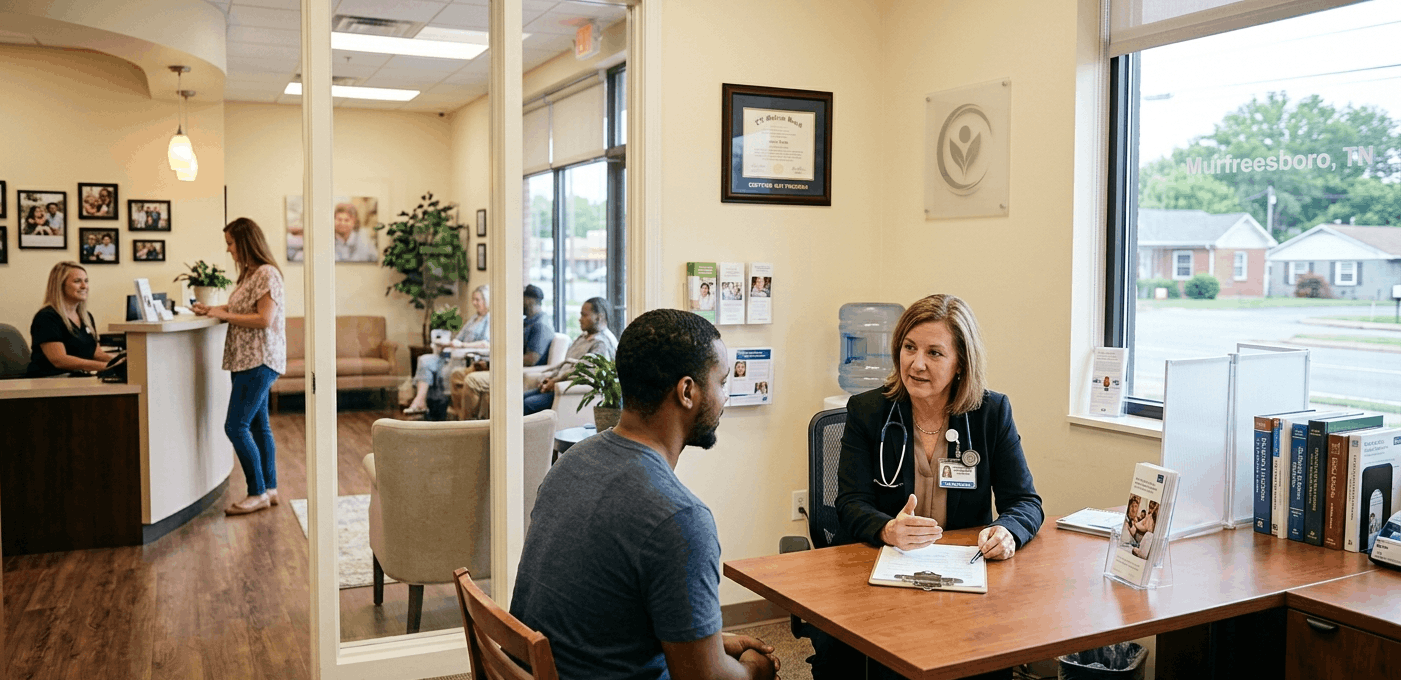
Why Not All Suboxone Clinics Deliver the Same Level of Care
Not every Suboxone clinic offers the same level of care. Some mainly handle medication, while others offer a full range of services that support both your physical and mental health.
Provider qualifications, available services, and treatment methods can all impact your recovery. Checking out a clinic before starting treatment helps you find providers who follow high standards and offer the support you need.
Provider Credentials and Licensing Standards to Look For
A provider’s qualifications are a key sign of quality care. Experienced professionals know how to treat opioid use disorder safely and effectively.
When evaluating a clinic, patients should look for credentials such as:
- Board Certification: Addiction medicine specialists and addiction psychiatrists have advanced training in substance use treatment.
- Drug Enforcement Administration (DEA) Registration: Prescribers should hold active DEA registration that allows them to prescribe buprenorphine for opioid use disorder treatment.
- Tennessee Licensure: Physicians, nurse practitioners (NPs), and physician assistants (PAs) should maintain active Tennessee licenses.
- Trauma-Informed Care Training: Staff should understand how trauma may affect recovery and treatment engagement.
- Substance Abuse and Mental Health Services Administration (SAMHSA) Registration: Participation in a SAMHSA-recognized treatment program may indicate an additional commitment to evidence-based care and treatment standards.
These qualifications help you find providers who put professional and patient-focused care first.
Accreditation and What It Means for Your Treatment
Accreditation shows that a clinic meets important standards for safety, quality, and patient care. You can use accreditation as a key sign when choosing a treatment provider.
Several certifications can indicate a strong treatment program, such as:
- Joint Commission Accreditation: Recognized for evaluating healthcare quality, patient safety, and clinical standards.
- CARF Accreditation: Reviews treatment programs for effectiveness, quality improvement, and person-centered care.
- Tennessee Department of Mental Health and Substance Abuse Services (DMHSAS) Licensure: Confirms compliance with state requirements for substance use treatment facilities.
These certifications confirm that staff are qualified, safety procedures are in place, and treatment practices meet regulations. They also show that the clinic follows healthcare standards and is regularly reviewed.
The Importance of Integrated Counseling Alongside Medication
Medication-Assisted Treatment (MAT) uses both medication and counseling or behavioral therapies. SAMHSA says this is one of the best ways to treat opioid use disorder because it helps with both physical dependence and mental health needs.
A quality clinic should provide counseling services alongside medication management. Common options include:
- Individual Counseling: Focuses on personal challenges and recovery goals.
- Group Therapy: Encourages peer support and shared learning.
- Cognitive Behavioral Therapy (CBT): Helps patients identify and change unhealthy thought patterns.
- Family Therapy: Strengthens relationships and support systems.
Qualified professionals, like Licensed Professional Counselors (LPCs), Licensed Clinical Social Workers (LCSWs), or certified addiction counselors, should provide counseling. These services work together to create a stronger treatment plan and support better recovery.
A Personalized Treatment Plan Tailored to You
A personalized treatment plan is a sign of a good Suboxone clinic. Recovery looks different for everyone, so a one-size-fits-all plan usually does not work. Good treatment should consider your medical history, substance use, recovery goals, and overall health.
At Recovery NOW, each patient’s treatment plan is personalized and updated as recovery continues. This can mean adjusting medication doses, changing how often you visit, or treating other conditions like depression, anxiety, or PTSD. Patients are also encouraged to help set their own treatment goals, making recovery a team effort.
Patient-Centered Care and a Non-Judgmental Environment
Stigma is still a big barrier for people seeking treatment for opioid use disorder. A good Suboxone clinic treats addiction as a medical issue and offers care in a respectful, supportive setting. You should feel safe talking about your concerns without worrying about being judged.
Staff should know how to communicate respectfully and understand trauma. Patient reviews and word-of-mouth can help you judge a clinic’s quality. If you see regular feedback about caring staff and supportive treatment, it usually means the clinic puts patients first.
Quality Indicators Checklist for a Suboxone Clinic in Murfreesboro
Patients searching for a Suboxone Clinic in Murfreesboro, TN, can use the following checklist when comparing treatment options:
- Licensed Providers: DEA-registered professionals authorized to prescribe buprenorphine.
- Accreditation: Joint Commission or CARF accreditation when available.
- Insurance Acceptance: TennCare Medicaid and major commercial insurance plans accepted.
- Rapid Access: Same-day or rapid intake appointments available.
- Counseling Services: Individual counseling offered alongside medication management.
- Relapse Support: Clear policies focused on support rather than punishment.
- Patient Privacy: HIPAA-compliant confidentiality protections.
- Transparent Pricing: Clear costs with no hidden fees.
- Telehealth Availability: Telemedicine services are available when appropriate.
These signs can help you find clinics that are dedicated to thorough and professional care.
What Patients Say About Quality Suboxone Clinics in Murfreesboro
Patient feedback often points out what matters most during treatment. People often mention non-judgmental staff, easy scheduling, good medication management, and helpful communication.
Many patients also appreciate clinics that offer counseling and flexible appointments. Reviews can give you helpful insights about the patient experience that you might not find on a clinic’s website.
You can look up providers using Google Reviews and the SAMHSA Treatment Locator. Checking for similar feedback from different sources can give you a better idea of a clinic’s quality.
Conclusion
To choose a good Suboxone Clinic in Murfreesboro, TN, check the provider’s credentials, accreditation, counseling options, and patient-centered care. Clinics that offer both medication management and personalized support are better equipped to help you recover. Taking the time to look at these factors can help you find a provider who supports your long-term recovery and well-being.
FAQs
How do you verify that a Suboxone Clinic is licensed in Tennessee?
Patients can verify a clinic through the Tennessee DMHSAS provider directory and the SAMHSA treatment locator. Confirm DEA registration and accreditation status.
What Is the difference between a Suboxone Clinic and a Methadone Clinic in Murfreesboro?
Suboxone clinics prescribe buprenorphine medication that patients can often take at home. Methadone treatment often requires more frequent in-person visits, especially during the early stages of care. This difference can make Suboxone treatment a more flexible option for some patients.
Should a good Suboxone Clinic also treat mental health conditions?
Quality clinics should screen for and treat co-occurring conditions such as depression, anxiety, and PTSD alongside addiction treatment to support better recovery outcomes.